



What is the 3-2-10 Rule for Chimneys and Why Does it Matter?
Do you ever wonder why some chimneys are taller than others or why chimney height matters? Well, it all comes down to a simple standard in the fireplace and chimney world: the 3-2-10 rule. This rule isn’t arbitrary; it’s a safety guideline that helps ensure your chimney works properly, keeps smoke out of your home, and reduces the risk of dangerous chimney fires.
It’s a fascinating subject, so let’s break down what it means, why it matters, and what you should know as a homeowner.
 What is the 3-2-10 Rule?
The 3-2-10 rule is a building and safety standard for chimney height. It states that:
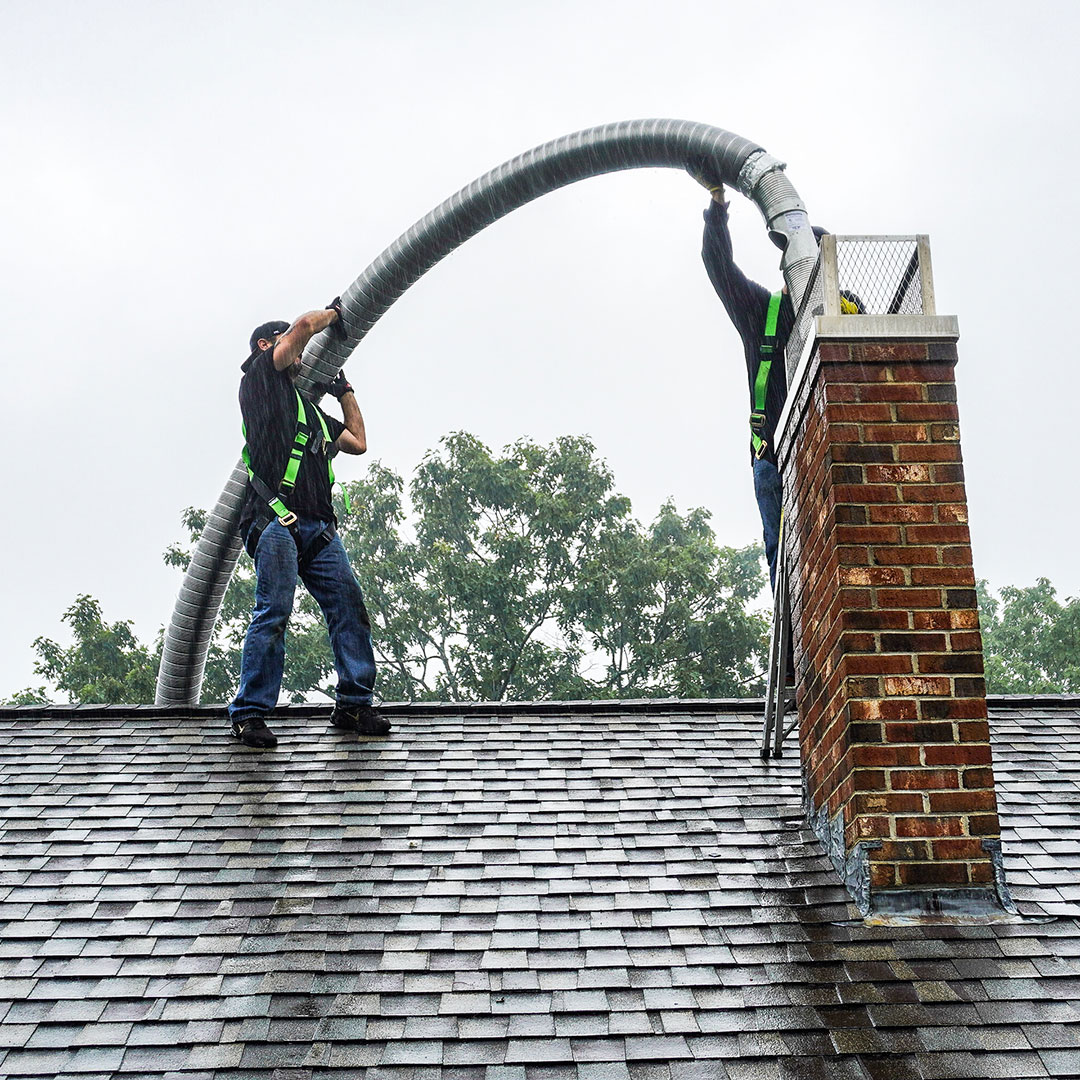
- Your chimney must extend at least three feet above the point where it exits your roof.
- It must also be at least two feet higher than any part of the roof (or nearby structure) within ten feet horizontally.
In simpler terms, picture a ten-foot circle around your chimney where it meets the roof. The top of the chimney has to rise at least two feet higher than anything within that circle—whether it’s part of your roofline or another nearby structure.
Why Chimney Height Matters
At first glance, chimney height might seem like a construction detail, but in reality, it has major implications for your home’s safety and comfort.
Proper Draft and Ventilation
The chimney’s main job is to allow smoke, gases, and other combustion byproducts to escape safely outside. For this to happen, the chimney needs proper draft, a steady upward flow of air. If the chimney is too short or blocked by nearby parts of the roof, it won’t draft correctly. That can leave you with smoke spilling back into your living room instead of rising up and out.
Fire Safety
A chimney that doesn’t meet the 3-2-10 rule may let hot embers escape too close to the roof. If your roof materials are flammable, that’s a recipe for disaster. By keeping the chimney high enough, the rule reduces the risk of roof fires.
Preventing Downdrafts
When your chimney is shorter than the surrounding parts of your roof, wind currents can swirl down into it instead of flowing up and out. This causes downdrafts, bursts of smoke, or even harmful gases like carbon monoxide blowing back into your home. A properly built chimney avoids these dangerous air pressure problems.
Code Compliance
Building codes across the United States require the 3-2-10 rule. If your chimney doesn’t meet this standard, it may not pass inspection. That can be a problem if you’re selling your home or filing an insurance claim after chimney-related damage.
Signs Your Chimney May Not Meet the Rule
We get it; most homeowners don’t climb on their roofs with a measuring tape, so how can you tell if your chimney follows the 3-2-10 rule? A few signs include:
- Smoke piling into the room when you light a fire.
- Frequent downdrafts on windy days.
- A chimney that looks short compared to the roofline.
- Trouble passing a home inspection due to chimney code violations.
If you think your chimney doesn’t meet the standard, it’s worth having a professional chimney sweep take a look.
What to Do If Your Chimney Doesn’t Meet the Standard?
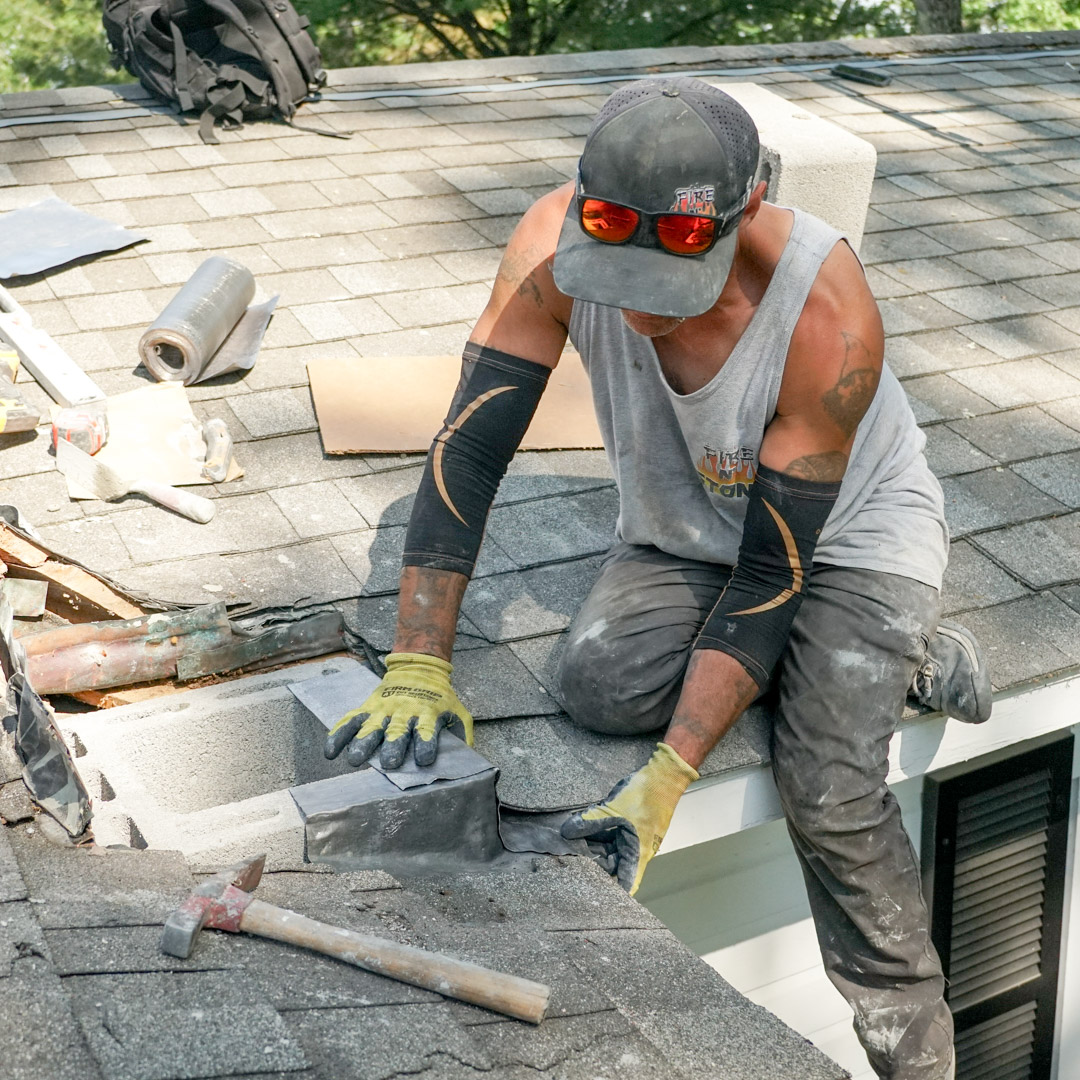
The good news is that chimney issues can often be fixed. Professionals can extend the height of your chimney with additional masonry or metal flue extensions. In some cases, they may also recommend adding a chimney cap or draft-improving device to help with airflow.
Because chimney safety ties directly to fire prevention and carbon monoxide risks, it’s not something to put off. An annual inspection can catch problems like this before they become serious.
The 3-2-10 rule for chimneys may sound like another technical code, but it plays a vital role in keeping your fireplace safe and efficient. Proper chimney height ensures good draft, reduces fire hazards, and keeps smoke and gases moving in the right direction, which is out of your home.
Is your chimney compliant? Know for sure by calling the pros at Fire N’ Stone. Our technicians are fully certified by the Chimney Safety Institute of America and the National Fireplace Institute, so you can rest assured they know their stuff.
We’ve proudly served residents throughout central New Hampshire for over 13 years. Call today!

 Visit Our Showroom