





Are You Using Your Damper Correctly?
Be honest: How often do you think about your fireplace or wood stove damper? Do you even know what the damper is and how it works? If not, that’s okay, because many homeowners are unsure. If this is you, we’ll walk you through what the damper does and how to use it effectively.
What is a Damper?
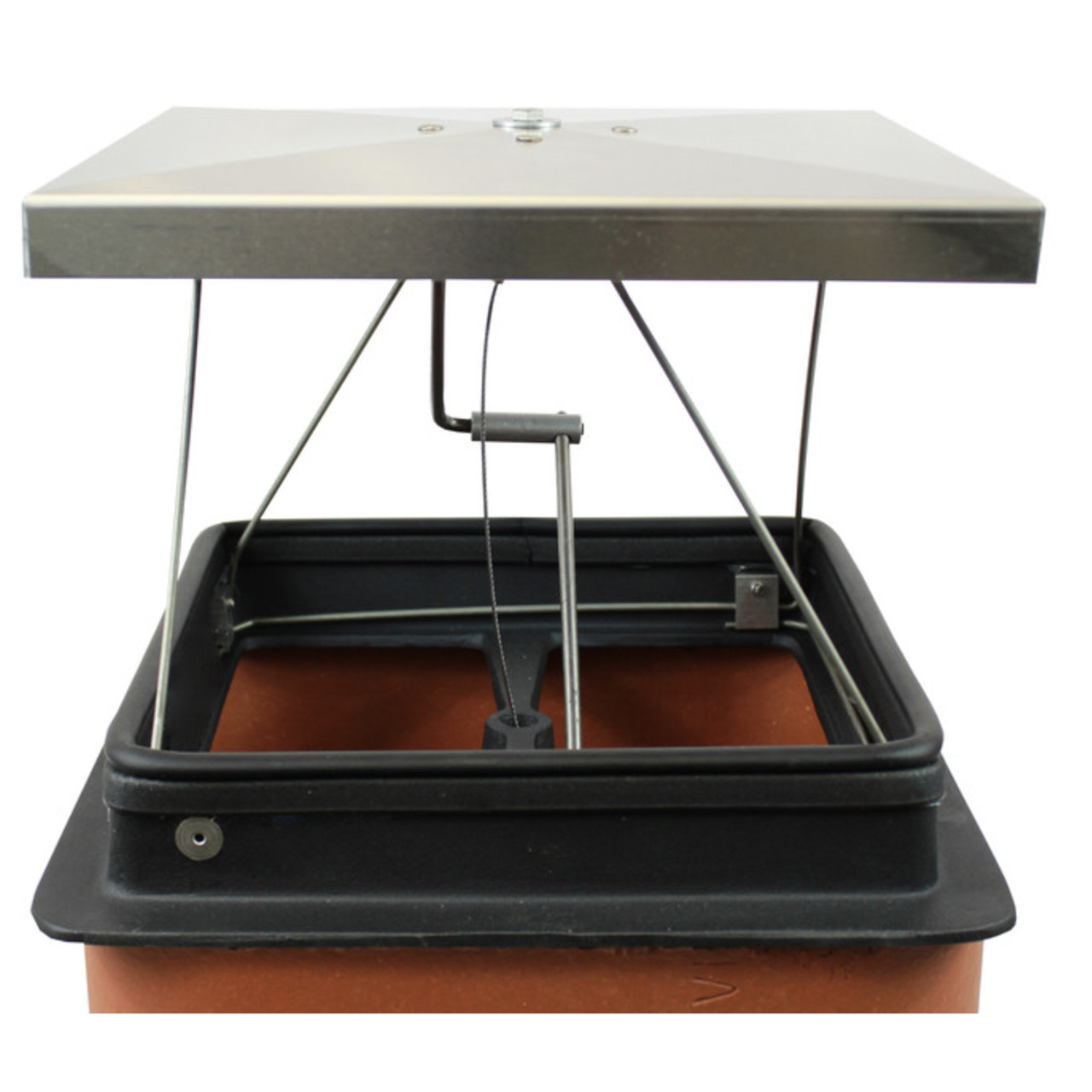 A damper is a movable plate located inside the chimney flue. Its job is simple but critical: it controls airflow.When open, it allows smoke, gases, and combustion byproducts to exit your home. When closed, it helps prevent conditioned air from escaping and keeps out cold drafts, moisture, and animals.
There are two types of dampers:
- Throat dampers, located just above the firebox.
- Top-sealing dampers, installed at the top of the chimney.
Both do the same thing, but top-sealing dampers make a tighter seal when closed.
The Most Common Damper Mistake
The biggest mistake homeowners make is forgetting to open the damper before they light a fire. If the damper is closed or only partially open, smoke has nowhere to go. Instead of drafting upward through the chimney, it backs up into your house. That means smoke damage, strong odors, and potentially dangerous exposure to carbon monoxide.
Before you start a fire, always check that the damper is fully open. If you’re unsure, shine a flashlight up the flue or look for a clear vertical path above the firebox.
Are You Closing It Too Soon?
Another mistake many make is closing the damper too quickly after a fire. Even if the flames appear to be out, hot embers can still produce smoke and carbon monoxide. Closing the damper too early can cause these gases to flow back into the home.
Wait until the fire is completely out and the ashes are cool before closing the damper. If you’re unsure, leave it open a bit longer. Remember that safety always comes first.
The Energy Efficiency Factor
Think of an open damper like an open window. During winter, warm indoor air rises and escapes up the chimney. In summer, hot outdoor air can flow down into your home. If you forget to close the damper when the fireplace is not in use, you could be driving up your energy bills without realizing it.
 Get into this habit: once the fireplace is cool, close the damper. If you have a throat damper that doesn’t seal well, upgrading to a top-sealing system can significantly reduce air leaks.
Signs You Have a Damper Problem
Even if you think you’re using the damper correctly, mechanical issues can affect its performance. Warning signs your damper may be in trouble include:
-
- Difficulty opening or closing it
- Rusted or warped components
- Persistent drafts when the damper is closed
- Smoke is entering the room even when the damper is open
The damper may be small, but as you can see, it plays a huge role in how well your fireplace performs and its safety. Remember to open it fully before you start a fire and to keep it open until everything cools down. Close it when you’re not using the fireplace, and if anything seems off, call a professional to take a look.
Fire N’ Stone is Your Local Chimney and Fireplace Pro
Is your damper giving you fits? Do you need a chimney cleaning or annual inspection? No matter what, Fire N’ Stone can help. We’re the go-to chimney and fireplace professionals in Laconia, Franklin, and Gilford. Contact us today!

 Visit Our Showroom